Money and costs in Egypt
Egypt uses the Egyptian pound (EGP), with banknotes of 5, 10, 20, 50, 100 and 200 EGP. Bank ATMs (CIB, NBE, QNB) are the best source of cash; take out 2000–3000 EGP at a time and keep small notes for tips. A budget traveller can manage on about USD 40–60 a day, and a comfortable trip runs to USD 100–150 a day.
Currency
Egypt's currency is the Egyptian pound (EGP, ج.م.), split into 100 piastres. You will handle banknotes of 5, 10, 20, 50, 100 and 200 EGP, plus newer polymer 10 and 20 EGP notes. The older paper versions remain legal tender, so expect a mix of both in your wallet.
The pound moves a lot. Before you change money, check the live USD → EGP rate on pricedollartoday.com. The black-market rate sometimes differs from the official one, but changing money outside official channels is illegal and risky.
The banknotes you will see
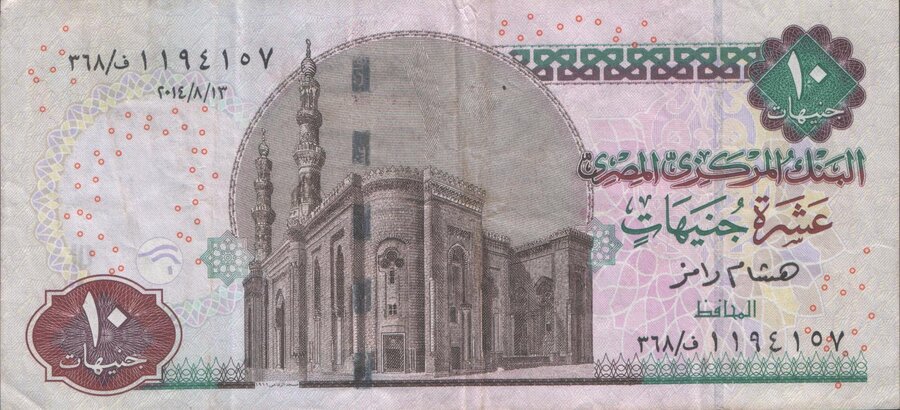
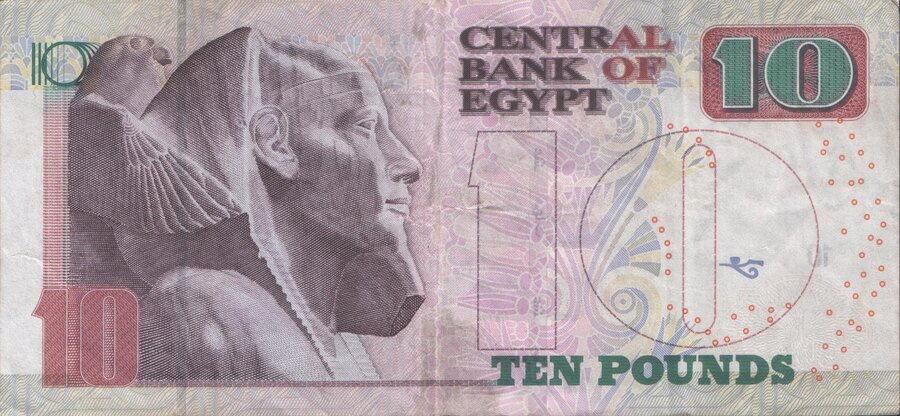
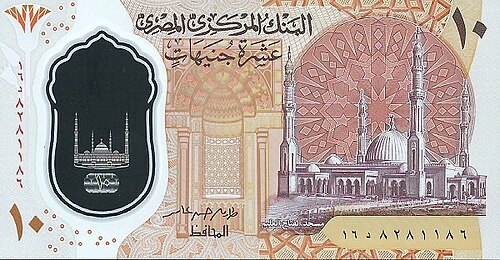
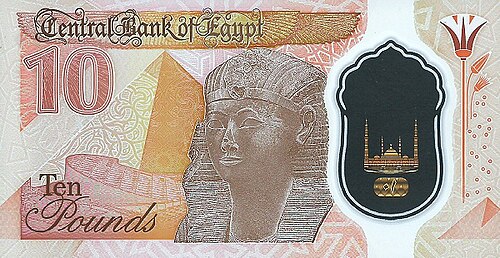
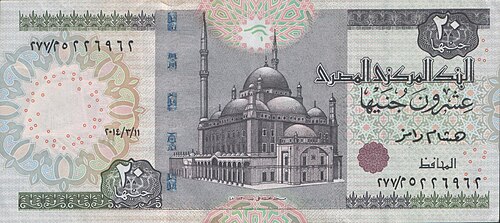
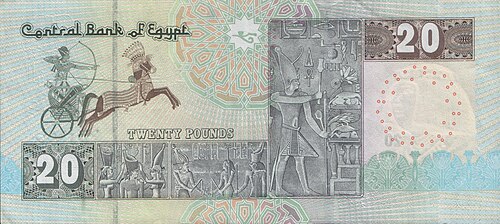
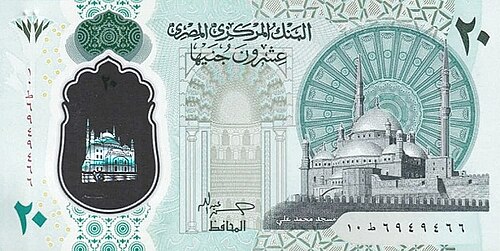
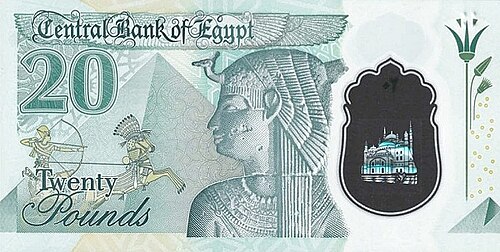
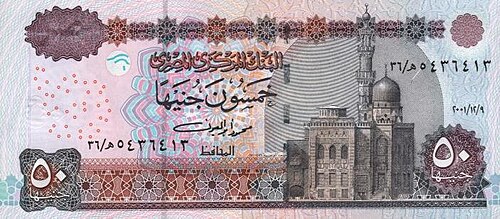
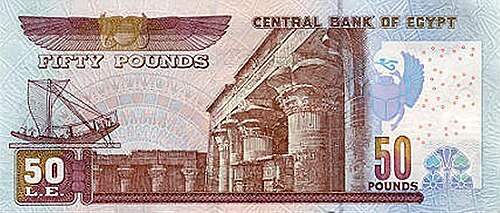
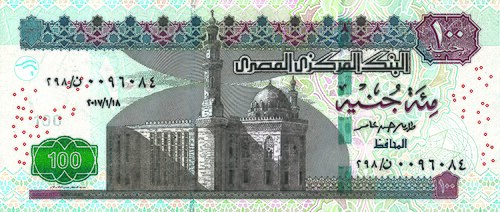
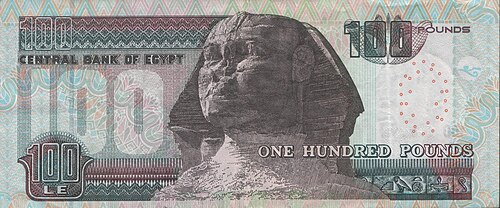
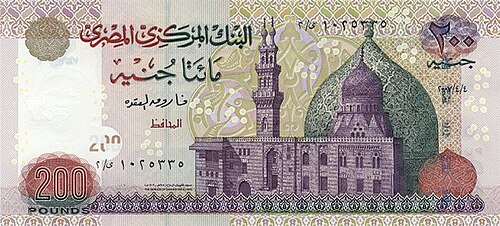
Here is every note currently in circulation, including the older paper 10 and 20 EGP that are still legal tender next to the polymer versions. The front shows a mosque and the back a monument or scene from ancient Egypt.
Images: Wikimedia Commons contributors, used for educational purposes. Real notes may differ slightly in shade; the designs are the same.
5 EGP paper · older
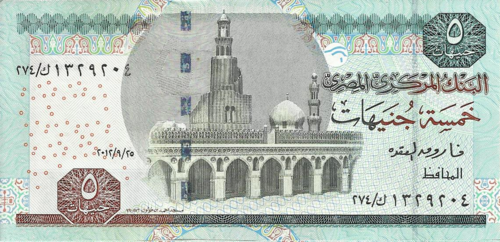
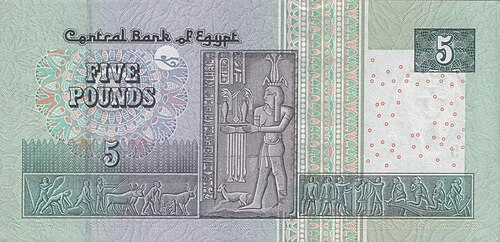
5 EGP paper · new
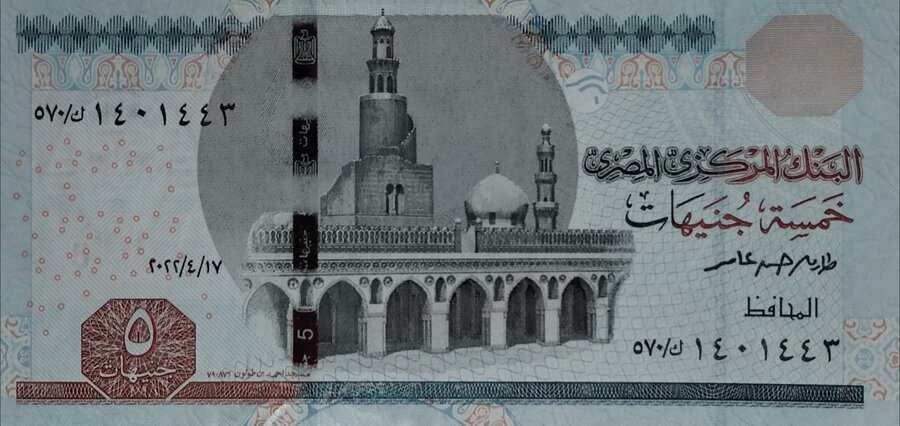
10 EGP paper · older
10 EGP polymer · 2022+
20 EGP paper · older
20 EGP polymer · 2023+
50 EGP paper
100 EGP paper
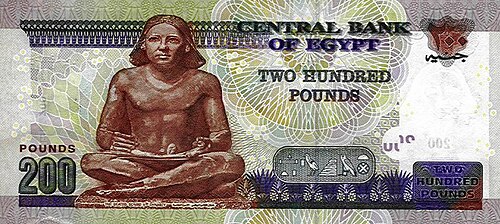
200 EGP paper
Coins
Coins of 25 piastres, 50 piastres and 1 EGP still exist but turn up less and less, and most prices are rounded to the nearest pound. In supermarkets, don't be surprised to get a few sweets instead of small change.
1 EGP coin
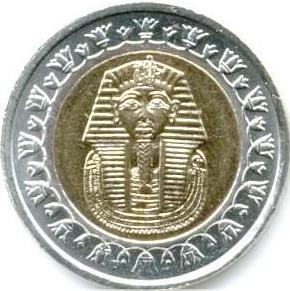
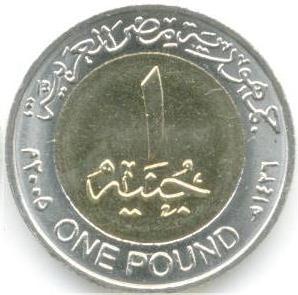
Image: Wikimedia Commons, public domain.
Where to change money
- Banks and licensed exchange offices (sarafa): the best rates.
- Hotels: convenient, but the worst rates.
- The airport: fine for a small amount to get you started.
Bring US dollars, euros or pounds sterling in clean, fairly new notes (issued after 2013, with no tears or marks).
Cash or card
- Cash rules, especially for taxis, tips, small restaurants, markets and sites.
- Cards work in hotels, malls, chain restaurants and supermarkets.
- Visa and Mastercard are widely accepted; Amex is rare.
- Bank ATMs (CIB, NBE, QNB) accept foreign cards, Polish ones included. Withdraw 2000–3000 EGP at a time; some machines charge a small fee.
- Apple Pay and Google Pay are spreading but are not yet reliable.
Tipping (baksheesh)
Tipping is part of everyday life in Egypt, both for a service and as a small thank-you in many situations.
| Situation | Suggested tip |
|---|---|
| Restaurant (no service charge) | 10% |
| Restaurant (service charge added) | an extra 5% in cash |
| Uber / Careem | round up |
| Hotel porter | 20–50 EGP per bag |
| Housekeeping | 30–50 EGP a day |
| Tour guide | USD 10–20 a day |
| Driver | USD 5–10 a day |
| Toilet attendant | 5–10 EGP |
| Mosque shoe minder | 10–20 EGP |
Haggling
Haggling is normal in bazaars (Khan el-Khalili), in taxis without a meter and with vendors at tourist sites. It is not done in supermarkets, restaurants or chain stores.
How it works:
- Open at 30–50% of the asking price.
- Keep it friendly; it is a social ritual, not a fight.
- Walking away often brings a better offer.
- If you don't plan to buy, don't ask the price.
- Decide what the item is worth to you and pay that. There is no prize for "winning".
Typical costs (rough USD equivalents)
| Item | Cost |
|---|---|
| Local meal (koshari) | USD 2–4 |
| Mid-range restaurant meal | USD 8–15 |
| Bottle of water | USD 0.30 |
| Coffee in a café | USD 1–3 |
| Uber across Cairo | USD 2–6 |
| Pyramids ticket | USD 14 |
| Egyptian Museum | USD 10 |
| Valley of the Kings | USD 14 + extras |
| Nile cruise (3 nights) | USD 250–600 |
| Mid-range hotel | USD 40–100 |
| Private driver for a day | USD 50–170 |
| Tourist SIM card | USD 10–25 |
By European standards Egypt is very affordable: a budget traveller can manage on USD 40–60 a day, and a comfortable trip costs USD 100–150 a day.
Frequently asked questions
What currency is used in Egypt?
The Egyptian pound (EGP, ج.م.), divided into 100 piastres. Banknotes come in 5, 10, 20, 50, 100 and 200 EGP. New polymer 10 and 20 EGP notes circulate alongside the older paper ones, which are still legal tender.
Can I pay by card in Egypt?
Yes, Visa and Mastercard are accepted in hotels, malls, chain restaurants and supermarkets, while Amex is rarely taken. You still need cash for taxis, tips, markets, small eateries and toilets.
How much should I tip in Egypt?
10% in restaurants with no service charge, or an extra 5% in cash when one is added. Hotel porters 20–50 EGP per bag, housekeeping 30–50 EGP a day, a tour guide USD 10–20 a day, a driver USD 5–10 a day and toilet attendants 5–10 EGP.
Are there ATMs in Egypt?
Yes, at airports, in most hotels and throughout the cities. Use ATMs at bank branches (CIB, QNB, NBE, Banque Misr) and withdraw 2000–3000 EGP at a time, as some machines charge a small fee.
Do you have to haggle in Egypt?
In bazaars such as Khan el-Khalili, in taxis without a meter and with vendors at tourist sites, yes. Open at 30–50% of the asking price. Supermarkets, restaurants and chain stores have fixed prices.
How much does a day in Egypt cost?
Budget travellers can get by on about USD 40–60 a day, and a comfortable trip costs USD 100–150 a day. A bowl of koshari is USD 2–4, an Uber across Cairo USD 2–6 and a Pyramids ticket USD 14.